Blackwork tattoos for women
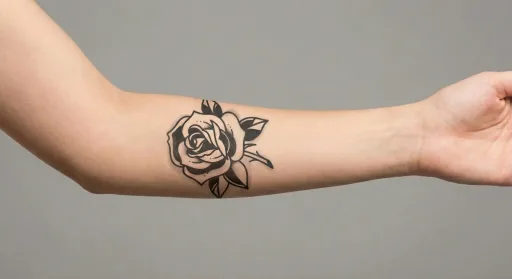
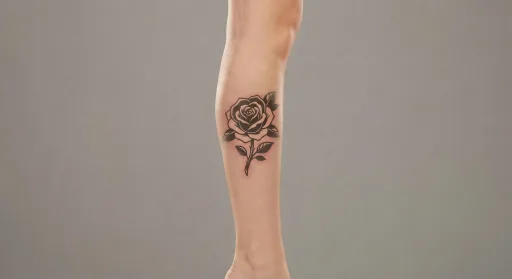
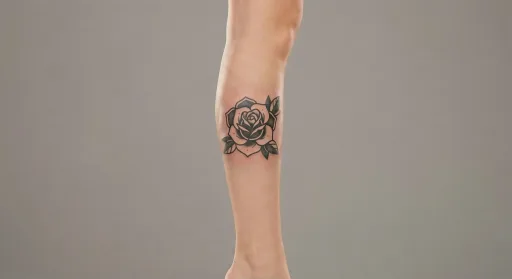
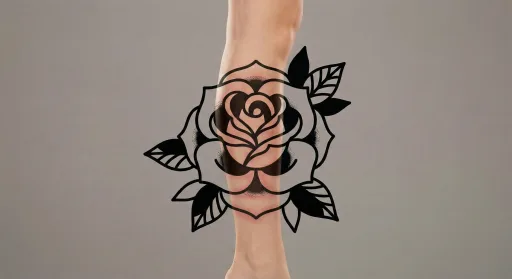
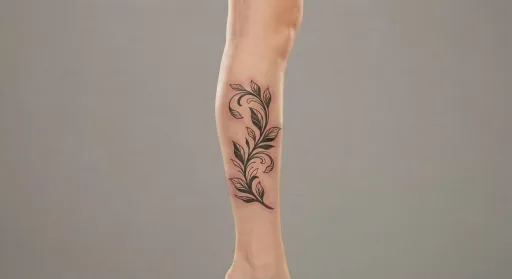
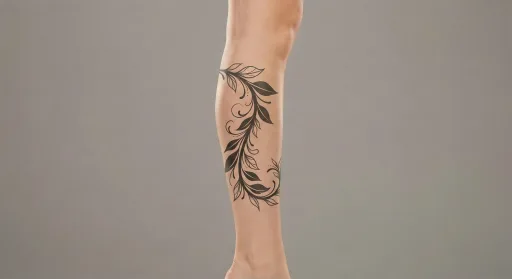
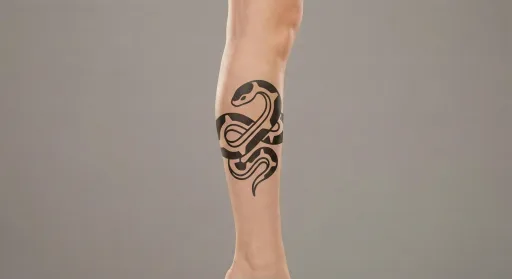
Blackwork uses solid black — bold outlines, filled shapes, heavy contrast — with no colour and little or no grey shading. It is the style that reads from across the room and holds up best over time.






About blackwork tattoos
What blackwork looks like on women
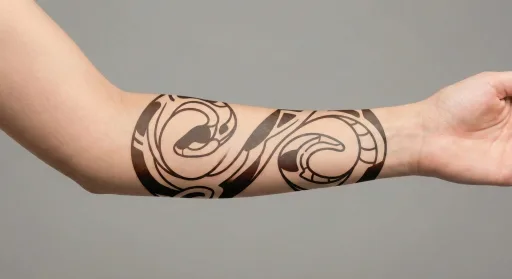
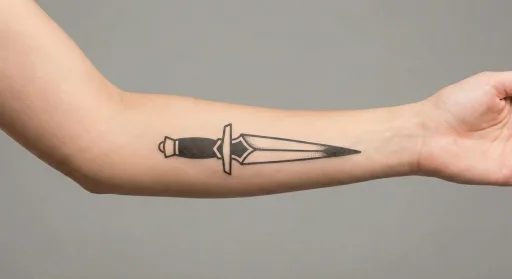
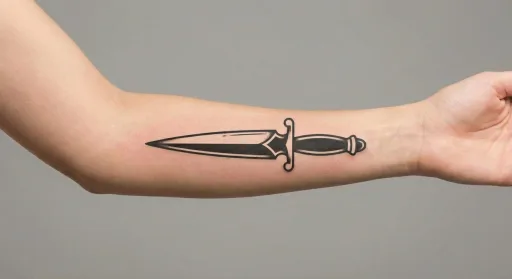
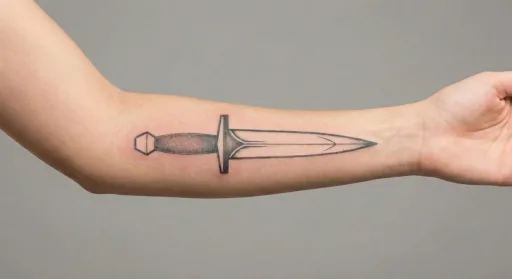
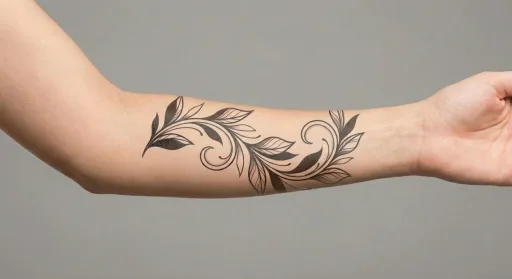
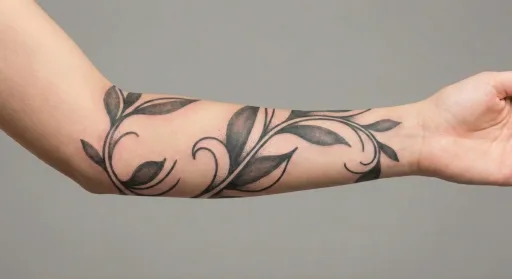
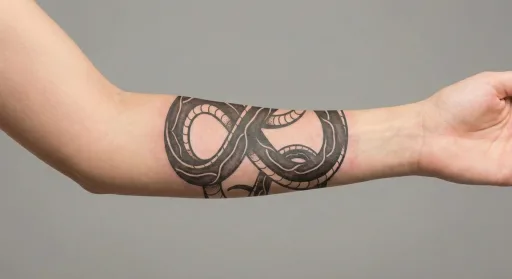
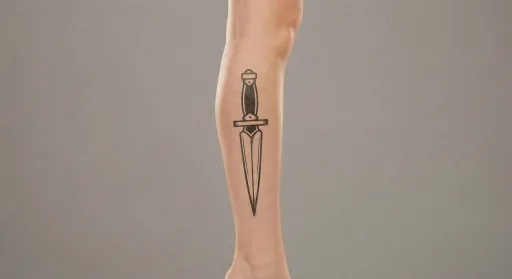
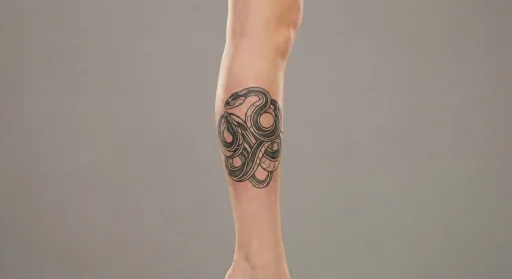
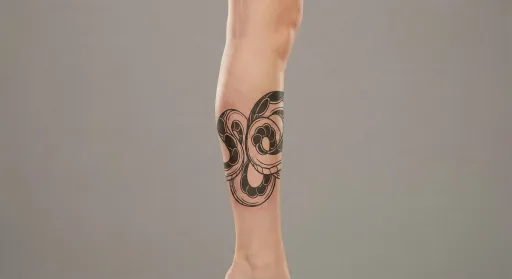
Blackwork is often associated with large, heavy pieces, but at small and medium scale it is simply a confident line: a thick-outlined snake along the forearm, a solid crescent, a bold dagger. The heavier weight suits placements that get sun and friction — outer forearm, calf, shin — where fine line would fade.
Planning for the ink to settle
Solid black areas need clean edges and enough negative space to stay defined; a filled shape next to a filled shape becomes one blob over time. Ask your artist about line weight early, because a blackwork design cannot be made lighter later — only bigger.
Session length
Filling solid black takes longer than outlining the same shape and is done in passes over the same skin, so sessions feel more intense per square centimetre than fine line. For a first blackwork piece, keep the filled area modest and the outline doing most of the work.
Related searches
Editorial guides
Placement + style combos
Editor picks
FAQ
Quick answers before you dive in.
Will blackwork tattoos stay readable from a distance?
They read best when the spacing is generous and the design is not overcrowded.
Can blackwork tattoos mix with other styles?
Yes, but keep the dominant style consistent so the design feels cohesive.
Will a blackwork tattoo need touch-ups?
Light refreshes can help maintain crisp lines over time, especially on high-visibility placements.
How do blackwork tattoos age?
They age best when the spacing is generous and the lines are not too dense. Keeping the design open helps it stay legible.
Which placements work best for blackwork tattoos?
Forearm, Leg tend to suit blackwork best because the spacing stays clean and the linework reads clearly.
Do blackwork tattoos work better small or medium?
Small to medium sizes are most common. They keep the lines crisp while still giving the design enough breathing room.
Is blackwork style more painful?
Pain is more about placement than style. This style is usually lighter on shading, so sessions are often shorter.