Fine Line Tattoo Aging Guide
Fine line tattoos age well when the original design leaves enough space between details. This guide focuses on the choices that help delicate linework stay clean instead of fading into visual noise.
By the InkPatterns editorial team · Updated
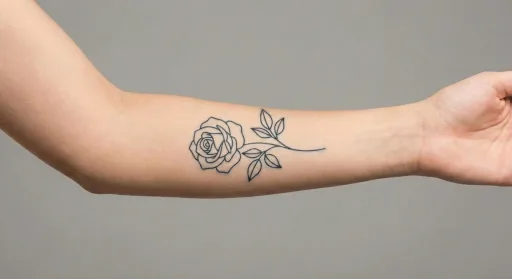
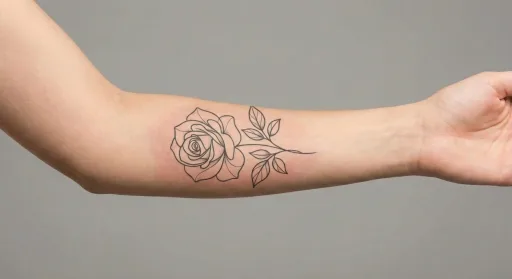
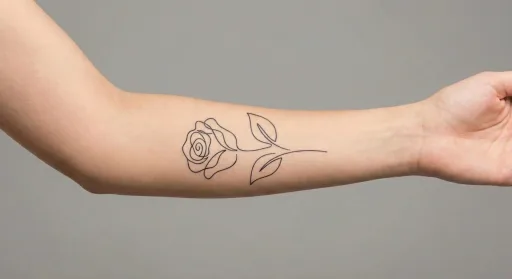
Forearm tattoo ideas to compare
See all forearm tattoos


Context
People choose fine line work for softness and precision, so long-term clarity is part of the design intent. Aging is not failure; poor spacing and bad placement choices are usually the bigger issue.
Pain and session length
Fine line sessions are often shorter than dense blackwork, but placement still controls discomfort. Longer sessions in high-friction areas can also make healing rougher on delicate outlines.
Placement advice
Use placements that support elongated, readable linework and avoid forcing tiny details into curved or constantly rubbed zones. Forearm, thigh, and selected spine concepts usually age more predictably than finger-scale work.
Aftercare planning
Sun protection, low friction, and restrained moisturizing matter more than trendy healing hacks. Fine lines lose crispness fastest when the skin is overworked or repeatedly exposed to UV.
Style considerations
Single-stem florals, moons, stars, and geometric line builds usually age better than ultra-detailed clusters because the silhouette stays readable from a distance.